Predictive policing represents one of the most controversial intersections of technology and law enforcement in modern society. As algorithms increasingly influence who gets stopped, searched, or arrested, communities worldwide are grappling with fundamental questions about fairness, accountability, and justice.

The promise of using data to prevent crime before it happens has captivated police departments and policymakers alike. Yet beneath this technological optimism lies a complex web of ethical dilemmas that challenge our most basic assumptions about equality, privacy, and the role of law enforcement in democratic societies.
🔍 Understanding the Foundation of Predictive Policing
Predictive policing uses statistical analysis and machine learning algorithms to forecast where crimes are likely to occur or identify individuals who may commit offenses. These systems analyze historical crime data, demographic information, weather patterns, social media activity, and countless other variables to generate predictions that guide police resource allocation and intervention strategies.
The technology emerged in the early 2010s as police departments sought innovative solutions to budget constraints and rising crime rates. Companies like PredPol, Palantir, and IBM marketed sophisticated software promising to revolutionize law enforcement through data-driven decision-making.
At its core, predictive policing operates on the assumption that crime follows discernible patterns. By identifying these patterns, law enforcement can theoretically position officers where they’re needed most, preventing crimes before they occur rather than simply responding after the fact.
The Appeal of Algorithmic Efficiency
Law enforcement agencies have embraced predictive policing for several compelling reasons. The technology promises to stretch limited resources further by directing patrols to high-risk areas at optimal times. It offers the appearance of objectivity, removing human bias from decisions about where to deploy officers and whom to investigate.
Proponents argue that predictive systems can identify crime patterns invisible to human analysts, processing millions of data points to reveal connections that would otherwise remain hidden. In theory, this could lead to more effective policing with fewer resources, ultimately making communities safer while reducing the burden on taxpayers.
⚖️ The Bias Embedded in Historical Data
The most fundamental ethical challenge facing predictive policing stems from a deceptively simple problem: algorithms learn from historical data, and that data reflects decades of discriminatory policing practices. When systems are trained on records showing disproportionate arrests in minority neighborhoods, they inevitably recommend increased surveillance of those same communities.
This creates a self-fulfilling prophecy. Police deploy more officers to neighborhoods the algorithm identifies as high-risk, leading to more stops, searches, and arrests in those areas. These new arrests feed back into the system as fresh data, reinforcing the original pattern and justifying continued intensive policing of predominantly Black and Latino communities.
Historical Context Cannot Be Erased
The United States has a well-documented history of racially discriminatory policing, from Jim Crow-era harassment to the war on drugs that disproportionately targeted communities of color. Stop-and-frisk policies in New York City, for example, resulted in millions of stops of Black and Latino individuals, the vast majority of whom were innocent of any wrongdoing.
When predictive algorithms ingest this biased historical data, they don’t correct for past injustices—they perpetuate them. The algorithm doesn’t understand that certain neighborhoods were overpoliced due to racism rather than actual crime rates. It simply sees patterns in the data and recommends continuing those patterns into the future.
🚨 Privacy Erosion and Surveillance Creep
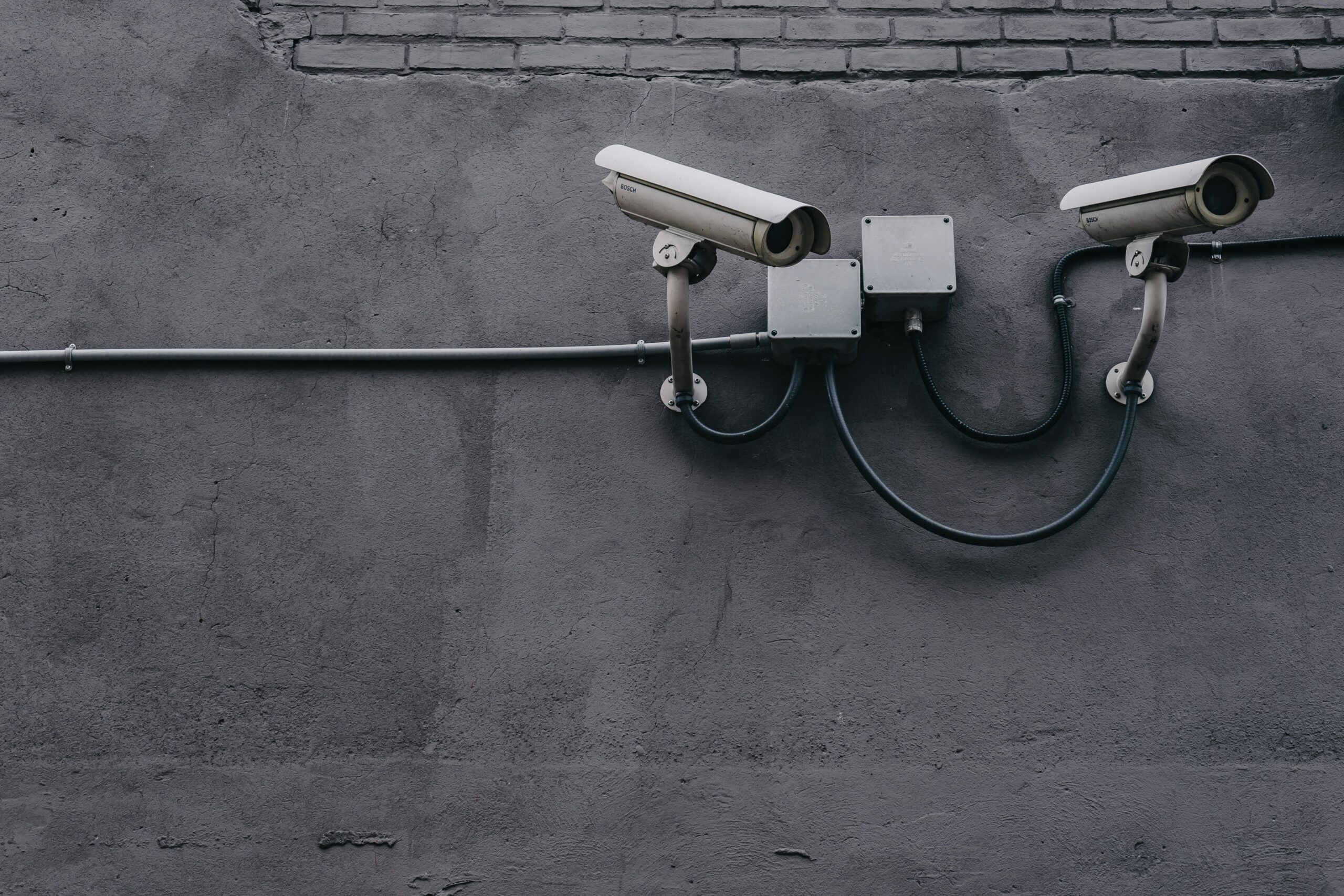
Predictive policing systems increasingly incorporate data from sources far beyond traditional crime reports. Social media monitoring, license plate readers, facial recognition cameras, cell phone location data, and even utilities usage patterns feed into modern predictive systems, creating comprehensive surveillance networks that track citizens’ daily lives.
This expansion raises profound privacy concerns. Individuals living in neighborhoods flagged as high-risk find themselves subject to constant monitoring without having committed any crime. Their movements, associations, and activities become data points in algorithmic calculations they never consented to and cannot opt out of.
The Chilling Effect on Communities
Pervasive surveillance changes how people behave in public spaces. When residents know they’re being constantly monitored—through cameras, automated license plate readers, and predictive patrol patterns—they may avoid certain areas, limit their movements, or refrain from exercising their rights to assembly and free speech.
This chilling effect disproportionately impacts marginalized communities already subject to intensive policing. The psychological burden of living under constant surveillance cannot be quantified in crime statistics, yet it represents a significant cost that predictive policing systems fail to account for in their calculations.
📊 The Accountability Gap in Algorithmic Policing
One of the most troubling aspects of predictive policing is the opacity of the systems themselves. Many algorithms operate as proprietary “black boxes,” with companies refusing to reveal how their systems make predictions, citing trade secret protections. This secrecy makes it virtually impossible for defendants, defense attorneys, or the public to challenge the basis for police actions.
When officers stop someone based on an algorithmic recommendation, neither the officer nor the individual typically understands why the algorithm flagged that particular person or location. The system provides a prediction without explanation, and officers act on that prediction as if it were established fact rather than probabilistic speculation.
Legal Challenges and Due Process
The lack of transparency creates serious due process problems. Defendants have a constitutional right to confront the evidence against them, but how can someone challenge an algorithm’s prediction when the company that created it won’t reveal how it works? Courts have struggled with this question, generally siding with proprietary interests over transparency demands.
Furthermore, predictive systems can create circular justification for police actions. Officers stop someone because the algorithm predicted they might commit a crime. The stop itself generates a police contact record, which feeds back into the system as evidence supporting the original prediction, even if no crime was discovered.
🎯 Person-Based Predictions and Pre-Crime Interventions
While location-based predictive policing raises significant concerns, person-based systems that attempt to identify specific individuals likely to commit crimes venture into even more ethically fraught territory. These systems generate lists of people to watch, often based on factors like past arrests, known associates, social media posts, and neighborhood residence.
Chicago’s Strategic Subject List, one of the most controversial person-based systems, assigned risk scores to individuals based on an algorithmic analysis of their criminal history and social networks. People on the list received visits from police warning them they were being watched, even if they hadn’t committed any recent crimes.
The Minority Report Problem
Person-based predictive policing resurrects the science fiction concept of pre-crime, where people face consequences for offenses they haven’t yet committed and may never commit. This fundamentally contradicts the principle that people should be judged based on their actions rather than predictions about their potential future behavior.
The psychological and social costs of being labeled high-risk are substantial. Individuals on watch lists may face difficulty finding employment, housing, or educational opportunities. They experience increased police scrutiny that itself creates opportunities for arrest on minor violations, validating the original prediction through the very surveillance it justified.
🌐 Disparate Impact Across Communities
The harms of predictive policing don’t distribute evenly across society. Wealthy, predominantly white neighborhoods rarely find themselves subject to intensive algorithmic surveillance, even though white-collar crime, domestic violence, and drug use occur across all demographic groups.
Instead, predictive systems consistently direct police resources toward low-income communities of color, reinforcing existing patterns of over-surveillance and under-protection. These neighborhoods receive intensive enforcement of minor violations while simultaneously experiencing slower response times for serious crimes like burglary or assault.
The Compounding Nature of Algorithmic Injustice
Predictive policing doesn’t exist in isolation—it intersects with other algorithmic systems throughout the criminal justice pipeline. Risk assessment tools influence bail decisions, sentencing recommendations, and parole determinations. When someone from an over-policed neighborhood enters this system, they face compounding disadvantages at every stage.
The cumulative effect creates parallel justice systems, where individuals from different backgrounds experience radically different levels of surveillance, enforcement, and punishment for similar behaviors. These disparities corrode public trust in law enforcement and the justice system more broadly.
💡 Alternative Approaches and Reform Possibilities
Recognizing the ethical challenges inherent in predictive policing, some jurisdictions have begun exploring alternatives that prioritize community wellbeing over surveillance and enforcement. These approaches focus on addressing root causes of crime rather than simply predicting where it will occur.
Community-based violence interruption programs, for instance, employ individuals with street credibility to mediate conflicts before they escalate into violence. These programs have shown promising results without the privacy invasions and discriminatory impacts of predictive algorithms.
Transparency and Accountability Mechanisms
For jurisdictions that continue using predictive systems, meaningful reform requires transparency about how algorithms work, what data they use, and how their predictions influence police behavior. Independent audits should regularly assess whether systems produce racially disparate impacts and whether predictions actually correlate with crime prevention.
Community oversight boards should have authority to review and potentially veto adoption of predictive technologies. People most affected by these systems deserve meaningful input into decisions about whether and how they’re deployed in their neighborhoods.
🔬 The Role of Academic Research and Critical Examination
Researchers have played a crucial role in exposing the limitations and biases of predictive policing systems. Studies consistently demonstrate that these tools don’t deliver the miraculous crime reductions their vendors promise and that they reproduce and amplify existing inequalities.
Academic scrutiny has revealed that many predictive systems perform no better than simple historical crime mapping, calling into question whether expensive algorithmic systems provide any benefit beyond what experienced officers already know about crime patterns in their jurisdictions.
The Need for Independent Evaluation
Too often, claims about predictive policing effectiveness come from vendors with financial interests in promoting their products or police departments seeking to justify technology investments. Independent research, conducted by scholars without conflicts of interest, provides essential counterbalance to marketing hype.
These studies should examine not just whether predictive systems correlate with crime reduction, but whether any observed effects come at the cost of increased surveillance, discriminatory enforcement, and eroded community trust that undermines long-term public safety.
🛡️ Protecting Civil Liberties in the Digital Age
The expansion of predictive policing occurs within a broader context of increasing digital surveillance capabilities. As technology enables ever more invasive monitoring, societies must grapple with fundamental questions about the balance between security and liberty.
Civil liberties organizations have challenged predictive policing programs through litigation, public records requests, and advocacy campaigns. These efforts have succeeded in forcing some jurisdictions to abandon or significantly reform their predictive systems, demonstrating that public pressure can constrain law enforcement’s adoption of controversial technologies.
Legislative Responses and Regulatory Frameworks
Some jurisdictions have begun enacting legislation to regulate or prohibit certain predictive policing practices. These laws range from requiring transparency reports to banning specific technologies like facial recognition or imposing limits on data retention and sharing.
Effective regulation must address both the technical aspects of algorithmic systems and the broader governance questions about who decides how these tools are used and what accountability mechanisms exist when they cause harm.
🌟 Moving Forward: Principles for Ethical Policing in the Digital Era
As communities navigate the complex terrain of predictive policing, several principles should guide decision-making. First, technology should augment rather than replace human judgment and community relationships that form the foundation of legitimate policing.
Second, any policing technology must demonstrate clear benefits that outweigh its costs, including intangible costs like privacy erosion and community trust degradation. The burden of proof should rest with those advocating for surveillance expansion rather than those questioning it.
Third, transparency and accountability cannot be negotiable. Communities deserve to know how they’re being policed and must have meaningful mechanisms to challenge practices they find unjust or ineffective.
Finally, we must recognize that no algorithm can solve problems rooted in social inequality, economic deprivation, and historical injustice. Technology that addresses symptoms while ignoring underlying causes will perpetuate cycles of harm no matter how sophisticated its predictions become.
The gray line in predictive policing isn’t just about technical questions of algorithmic accuracy or data quality. It’s fundamentally about what kind of society we want to build—one that uses technology to reinforce existing hierarchies and control marginalized communities, or one that harnesses innovation to advance justice, equality, and human flourishing for all.
As predictive systems become more sophisticated and pervasive, the choices we make today will shape the landscape of policing and civil liberties for generations to come. Those choices require careful deliberation, robust public debate, and unwavering commitment to principles of fairness, transparency, and human dignity that no algorithm can replace.