Artificial intelligence is rapidly transforming how humanity responds to natural disasters and emergencies. By harnessing machine learning, predictive analytics, and real-time data processing, AI technologies are saving lives, reducing damage, and revolutionizing crisis management worldwide.

From earthquakes and hurricanes to wildfires and floods, disasters strike with devastating consequences. Traditional response methods, while valuable, often struggle with the speed and complexity required in modern crisis situations. AI innovations now offer unprecedented capabilities to predict, prepare for, and respond to disasters more effectively than ever before. These technological advances represent a fundamental shift in how governments, humanitarian organizations, and communities protect vulnerable populations and minimize catastrophic losses.
🌍 The Critical Role of AI in Modern Disaster Management
Disaster response has evolved dramatically over recent decades, but the integration of artificial intelligence marks a watershed moment in emergency management. AI systems can analyze massive datasets from satellites, sensors, social media, and historical records within seconds, identifying patterns and risks that human analysts might miss or take days to uncover.
The speed advantage AI provides is literally life-saving. In disaster scenarios, every minute counts. When an earthquake strikes or a hurricane approaches, AI-powered systems can immediately process seismic data, weather patterns, population density information, and infrastructure vulnerabilities to provide actionable intelligence to emergency responders. This capability transforms reactive crisis management into proactive disaster mitigation.
Machine learning algorithms continuously improve their predictive accuracy by learning from each disaster event. Unlike static traditional models, AI systems become more sophisticated over time, incorporating new data sources, recognizing emerging patterns, and adapting to changing environmental conditions. This self-improving characteristic makes AI an increasingly valuable tool as climate change intensifies weather-related disasters globally.
🔮 Predictive Analytics: Forecasting Disasters Before They Strike
One of AI’s most powerful applications in disaster response lies in predictive analytics. Advanced algorithms can now forecast natural disasters with remarkable accuracy, providing crucial lead time for evacuations, resource deployment, and protective measures.
Earthquake Early Warning Systems
AI-enhanced seismic monitoring networks analyze underground tremor patterns to detect potential earthquakes seconds to minutes before major shaking reaches populated areas. While this timeframe may seem brief, it provides essential opportunities to halt transportation systems, shut down critical infrastructure safely, and alert populations through mobile devices. Japan, Mexico, and California have implemented such systems with measurable success in reducing casualties and property damage.
Hurricane and Cyclone Prediction Enhancement
Weather forecasting has been revolutionized by AI models that process atmospheric data with unprecedented sophistication. Machine learning algorithms examine historical hurricane paths, ocean temperatures, wind patterns, and hundreds of other variables to predict storm trajectories, intensity changes, and potential landfall locations more accurately than traditional meteorological models. This improved forecasting allows evacuation orders to be issued with greater precision, reducing unnecessary displacement while ensuring at-risk populations receive timely warnings.
Wildfire Risk Assessment and Detection
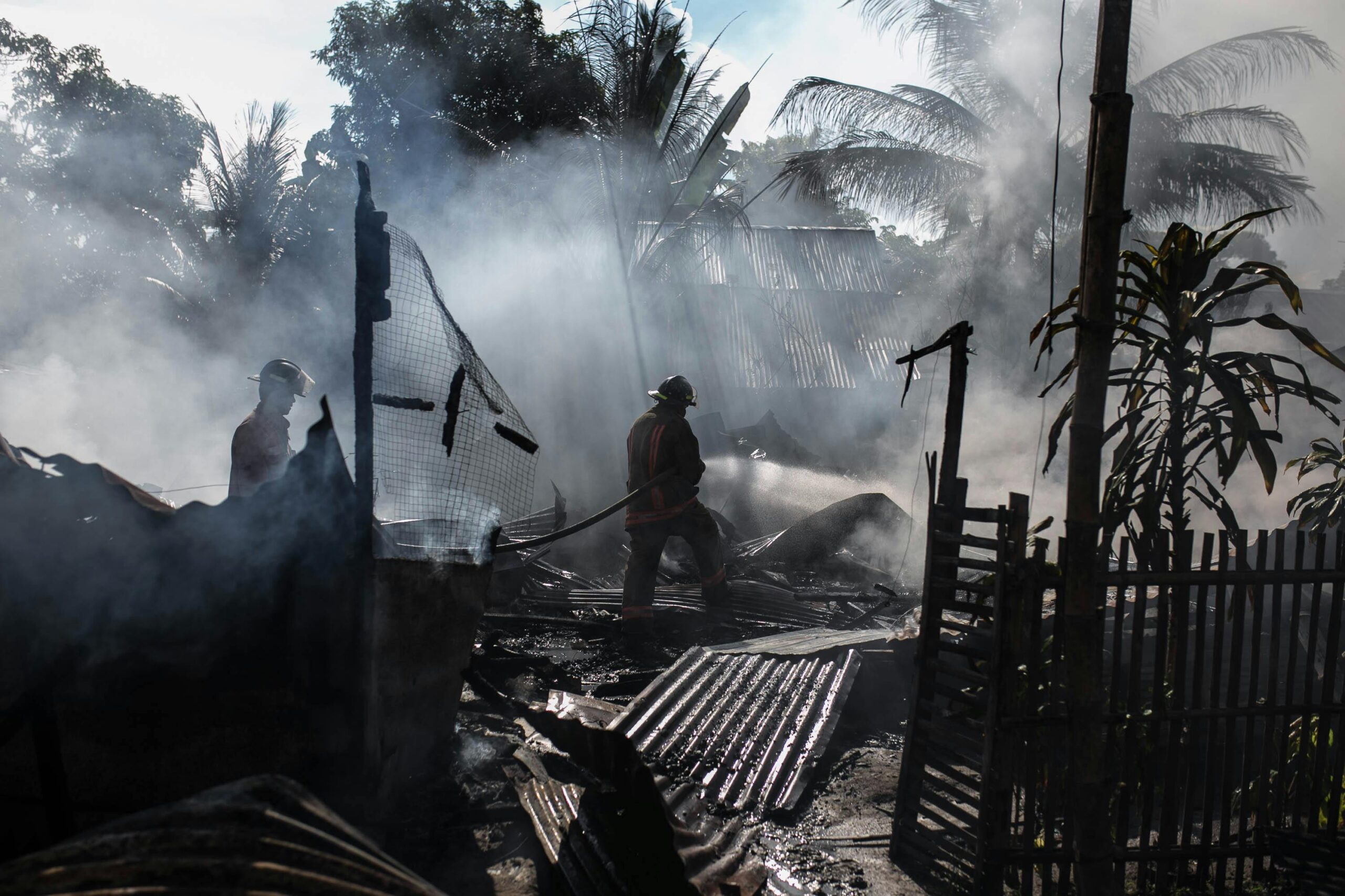
AI systems monitor vegetation conditions, temperature patterns, humidity levels, and wind forecasts to identify high-risk wildfire zones before ignition occurs. Once fires start, computer vision algorithms analyze satellite imagery and drone footage to detect smoke signatures far faster than human observers, enabling rapid response deployment. Some systems can predict fire spread patterns in real-time, helping firefighters position resources strategically and identify optimal containment strategies.
📡 Real-Time Crisis Monitoring and Damage Assessment
During active disasters, AI technologies provide real-time situational awareness that dramatically improves response coordination and resource allocation. These systems aggregate information from diverse sources to create comprehensive operational pictures for emergency managers.
Satellite imagery analysis powered by computer vision identifies affected areas, damaged infrastructure, blocked roads, and population displacement patterns within hours of disaster events. What once required days of manual reconnaissance now happens automatically, allowing response teams to prioritize interventions based on accurate, current information rather than assumptions or outdated data.
Social media monitoring algorithms scan platforms for distress signals, emergency requests, and ground-truth reports from affected populations. Natural language processing identifies urgent needs, locates stranded individuals, and detects emerging secondary threats like structural collapses or chemical spills. This crowdsourced intelligence complements official reporting channels and often provides information from areas where traditional communication infrastructure has failed.
Intelligent Resource Optimization
AI-driven logistics systems optimize the deployment of emergency supplies, medical personnel, rescue equipment, and shelter resources. By analyzing population distributions, access routes, severity patterns, and predicted needs, these algorithms ensure that limited resources reach the most critical areas first. Dynamic optimization adjusts deployment strategies as situations evolve, responding to changing conditions far more rapidly than manual planning processes allow.
🚁 Autonomous Systems and Robotic Response Teams
AI-powered robots and autonomous vehicles are increasingly deployed in disaster zones where conditions pose excessive risks to human responders. These systems extend response capabilities into environments too dangerous, inaccessible, or contaminated for people to enter safely.
Aerial drones equipped with AI navigation systems conduct search and rescue operations, using thermal imaging and object recognition to locate survivors buried in rubble or trapped in remote areas. These unmanned systems can cover vast territories quickly, operate in hazardous atmospheric conditions, and access collapsed structures where human entry would be impossible or life-threatening.
Ground-based robots navigate debris fields, inspect damaged buildings for structural integrity, and deliver supplies to isolated survivors. AI enables these machines to adapt to unpredictable terrain, make autonomous navigation decisions, and perform complex tasks like opening doors, clearing pathways, or providing medical assessments through onboard sensors.
Underwater autonomous vehicles assist in flood response and maritime disasters, mapping submerged areas, inspecting infrastructure damage, and conducting search operations in conditions where human divers face extreme danger. These systems operate continuously without fatigue, significantly expanding response capabilities in aquatic environments.
💊 Medical Response and Casualty Management
AI applications in disaster medicine are transforming how healthcare systems respond to mass casualty events and disease outbreaks following disasters. These technologies optimize treatment protocols, predict medical needs, and coordinate limited healthcare resources across affected regions.
Triage Automation and Decision Support
Machine learning systems assist medical personnel with triage decisions during overwhelming casualty situations. By analyzing vital signs, injury patterns, and resource availability, AI recommends treatment prioritization that maximizes survival rates across entire patient populations. These systems reduce cognitive load on overwhelmed medical staff, helping maintain quality decision-making under extreme stress.
Disease Outbreak Prediction and Prevention
Following disasters, compromised sanitation and crowded shelters create conditions for disease outbreaks. AI surveillance systems monitor health indicators, environmental conditions, and population movements to predict outbreak risks before they materialize. Early detection enables preventive interventions like vaccination campaigns, sanitation improvements, and targeted health education that prevent secondary health crises from compounding disaster impacts.
🏗️ Infrastructure Resilience and Smart City Integration
Beyond immediate disaster response, AI is fundamentally changing how communities build resilience into their infrastructure and planning processes. Smart city technologies incorporate disaster preparedness into urban design, creating self-monitoring systems that detect vulnerabilities and adapt to threats.
AI-monitored infrastructure continuously assesses structural health in bridges, dams, buildings, and utility networks. Machine learning algorithms identify degradation patterns, predict failure risks, and recommend preventive maintenance before catastrophic collapses occur. This predictive maintenance approach prevents infrastructure failures during disasters when stresses are greatest.
Urban planning models enhanced by AI simulate disaster scenarios across different infrastructure configurations, helping cities design more resilient layouts that minimize cascade failures. These simulations consider earthquake liquefaction zones, flood plains, wildfire corridors, and other hazard-specific vulnerabilities to inform development decisions that protect populations decades into the future.
📱 Mobile Applications Empowering Individual Preparedness
AI-powered mobile applications are democratizing disaster preparedness, putting sophisticated early warning systems and emergency information directly into individuals’ hands. These apps provide personalized risk assessments, evacuation guidance, and real-time alerts tailored to users’ specific locations and circumstances.
Emergency alert systems leverage AI to send targeted warnings only to populations actually at risk, reducing alert fatigue while ensuring critical messages reach affected individuals. Location-aware notifications provide specific instructions appropriate to each user’s situation, whether evacuating, sheltering in place, or preparing for incoming impacts.
Preparedness planning features help families create emergency kits, develop communication plans, and identify evacuation routes before disasters strike. AI chatbots answer questions about disaster preparation, providing accessible guidance that increases community resilience through widespread education and engagement.
🌐 International Cooperation and Data Sharing Networks
AI’s effectiveness in disaster response depends critically on data access and international cooperation. Global networks are emerging that share disaster-related data, AI models, and best practices across borders, recognizing that disasters often transcend national boundaries and collective approaches yield better outcomes.
Standardized data formats enable AI systems developed in one region to assist with disasters elsewhere. When hurricanes strike the Caribbean, AI models trained on Pacific typhoons can provide valuable insights. When earthquakes affect South America, algorithms developed for seismic events in Asia contribute to response efforts. This knowledge transfer accelerates improvement across all disaster response systems globally.
Open-source AI frameworks for disaster response allow resource-limited countries to access sophisticated technologies without prohibitive development costs. International organizations coordinate these efforts, ensuring that AI benefits in disaster management extend beyond wealthy nations to vulnerable populations worldwide who face disproportionate disaster risks.
🔐 Ethical Considerations and Privacy Challenges
As AI becomes more deeply integrated into disaster response, important ethical questions emerge regarding privacy, data security, and equitable access to life-saving technologies. Balancing the imperative to save lives with respect for individual rights requires thoughtful policy frameworks and transparent governance.
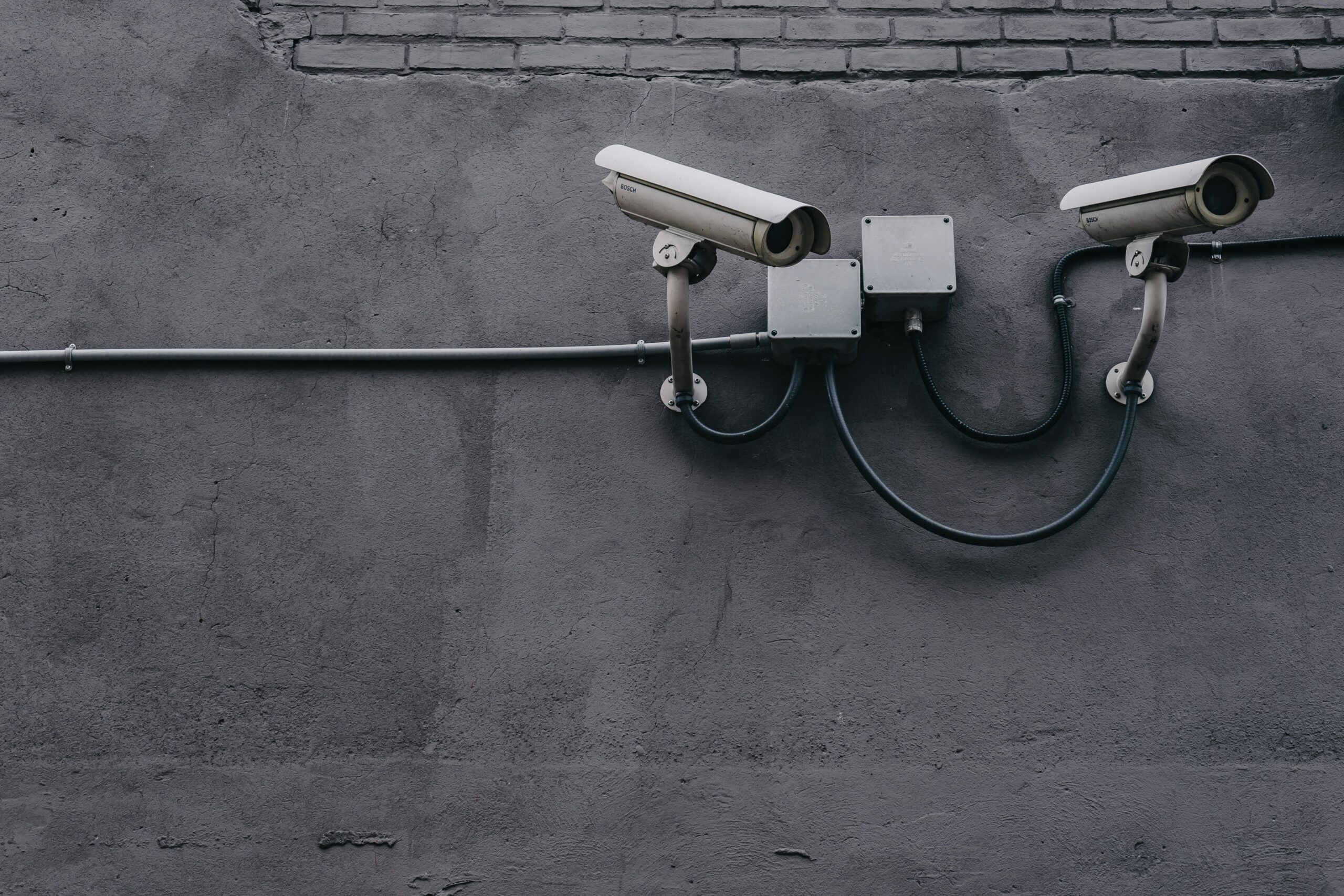
Surveillance technologies that monitor populations for disaster response purposes could potentially be misused for other surveillance objectives. Clear limitations on data collection, strict access controls, and robust oversight mechanisms are essential to maintain public trust while preserving AI’s disaster response benefits.
Algorithmic bias presents another significant concern. If AI training data disproportionately represents certain populations or geographic areas, resulting systems may perform poorly for underrepresented groups, potentially creating disparate outcomes where some communities receive better protection than others. Ensuring diverse, representative datasets and continuous bias testing are critical to equitable disaster response.
🚀 Emerging Technologies and Future Innovations
The intersection of AI with other emerging technologies promises even more dramatic advances in disaster response capabilities. Quantum computing may enable exponentially more complex simulations and predictions. Advanced materials designed through AI could create infrastructure that self-repairs after disasters. Neural interfaces might allow direct brain-computer communication when traditional networks fail.
Edge computing brings AI processing directly to disaster zones through portable devices and local networks that function independently of centralized infrastructure. This distributed intelligence remains operational even when communications networks collapse, ensuring continuous decision support throughout crisis events.
Digital twins—virtual replicas of physical environments—allow responders to test intervention strategies in simulation before deploying resources in actual disasters. AI continuously updates these models with real-time sensor data, creating accurate virtual environments where emergency managers can explore what-if scenarios and optimize response plans without risking lives or wasting resources.
🎯 Building a More Resilient Future Through AI Integration
The transformation of disaster response through artificial intelligence represents more than technological advancement—it reflects humanity’s growing capacity to protect vulnerable populations and reduce suffering when catastrophes strike. As climate change intensifies disaster frequency and severity, AI innovations provide essential tools for adaptation and resilience.
Successful AI integration requires sustained investment in technology infrastructure, continuous training for emergency personnel, community engagement to build trust, and policy frameworks that encourage innovation while safeguarding rights. Organizations at all levels—from local fire departments to international humanitarian agencies—must embrace these technologies and develop competencies to leverage AI’s full potential.
The evidence is compelling: AI saves lives in disaster situations. Communities with access to AI-enhanced early warnings experience fewer casualties. Response operations guided by AI analytics achieve better outcomes with fewer resources. Infrastructure monitored by machine learning systems fails less often and recovers more quickly. These benefits will only increase as technologies mature and adoption expands.
Looking forward, the goal is not to replace human judgment and compassion in disaster response but to augment human capabilities with computational power, pattern recognition, and processing speed that complement uniquely human strengths. AI handles data analysis and optimization while humans provide creativity, ethical reasoning, and the empathy that suffering populations need during their darkest hours.
The revolution in disaster response powered by artificial intelligence is already underway, demonstrating measurable impacts in communities worldwide. Continued development, thoughtful implementation, and equitable access to these technologies will determine how well humanity weathers the increasing environmental challenges ahead. By embracing AI innovations while addressing ethical concerns, we can build a future where fewer lives are lost to disasters, where communities recover more quickly, and where preparation and resilience become defining characteristics of human civilization facing natural threats.